
Interior vs Exterior Waterproofing Methods Explained
Interior and exterior waterproofing methods explained help homeowners understand how local contractors can prevent water damage and moisture issues effectively.
Understanding the differences between interior vs exterior waterproofing methods explained can be essential for property owners looking to protect their investments. Whether dealing with basement moisture issues or preventing water intrusion before it happens, knowing which approach suits specific needs is key. This page is designed to help readers in the area explore practical options, highlighting how local contractors can provide tailored solutions to keep structures dry and secure. As water problems can impact both the interior and exterior of a property, learning about these methods empowers owners to make informed decisions that align with their maintenance goals.
For those considering waterproofing options, it’s important to understand how interior and exterior techniques work and when each might be appropriate. Local service providers can assess individual properties and recommend the most effective approach based on factors like foundation type, climate, and existing issues. By exploring the differences between these methods, property owners can better understand the benefits and limitations of interior vs exterior waterproofing, helping them choose the right solutions for long-term protection. Keep reading to discover how local experts can assist with waterproofing needs and ensure the durability of your property.
- Basement interior waterproofing - homeowners needing to prevent indoor water damage often rely on local contractors to install interior sealants and drainage systems.
- Foundation exterior waterproofing - property owners seeking to protect their building’s foundation from moisture intrusion typically work with local service providers to apply exterior membranes and coatings.
- Crawl space waterproofing - those experiencing damp or mold issues in crawl spaces may contact local pros to implement vapor barriers and exterior drainage solutions.
- Wall sealing and waterproofing - individuals looking to prevent water seepage through basement walls often turn to local contractors for exterior waterproof coatings or interior sealants.
- Drainage system installation - clients aiming to redirect water away from structures frequently engage local service providers to set up interior or exterior drainage solutions depending on the property’s needs.
When homeowners search for information about interior vs exterior waterproofing methods explained, they are often seeking to understand the different approaches to protecting their properties from water intrusion. This topic typically arises when addressing issues such as basement leaks, damp walls, or foundation concerns. Many property owners are planning renovations, repairs, or preventative measures to safeguard their homes against water damage, especially in areas prone to heavy rainfall or high groundwater levels. The search indicates a desire to grasp the advantages and limitations of each method, so they can make informed decisions about which approach best suits their specific property and situation.
Interior waterproofing methods usually involve installing systems inside the building to manage water that has already entered or is likely to penetrate the structure. Common techniques include applying sealants, installing sump pumps, or creating interior drainage channels along basement walls. These methods are often chosen for their relative ease of access, minimal disruption to the exterior landscape, and suitability for existing structures that need quick or less invasive solutions. Interior waterproofing is frequently associated with addressing ongoing leaks or moisture issues in basements, crawl spaces, or lower levels of residential and commercial properties.
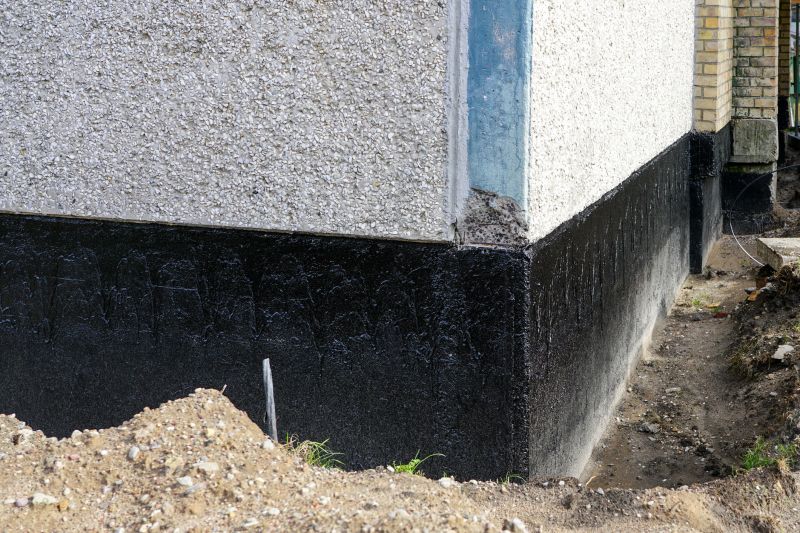
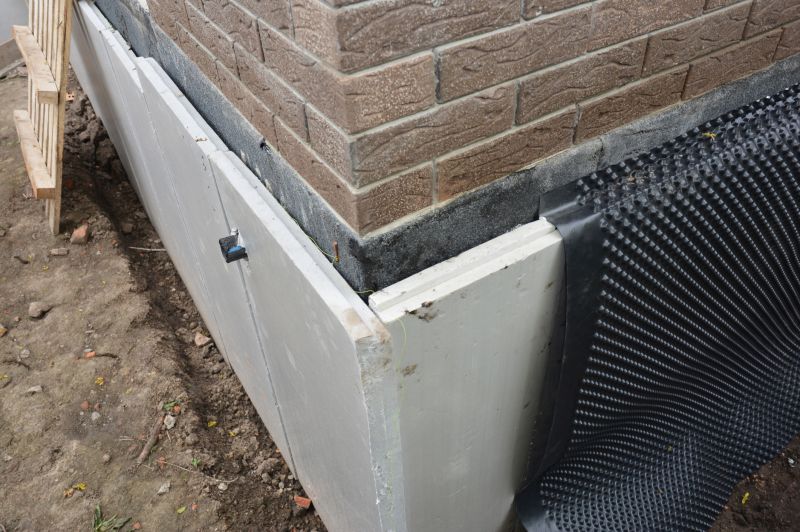
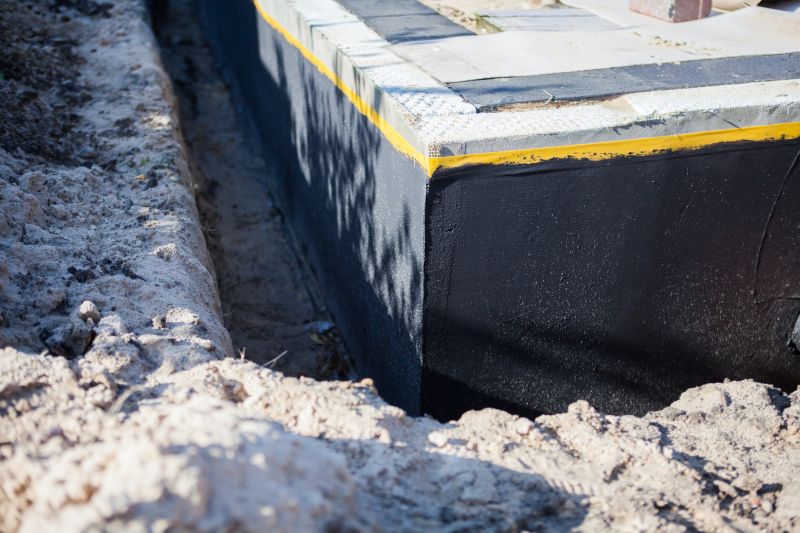
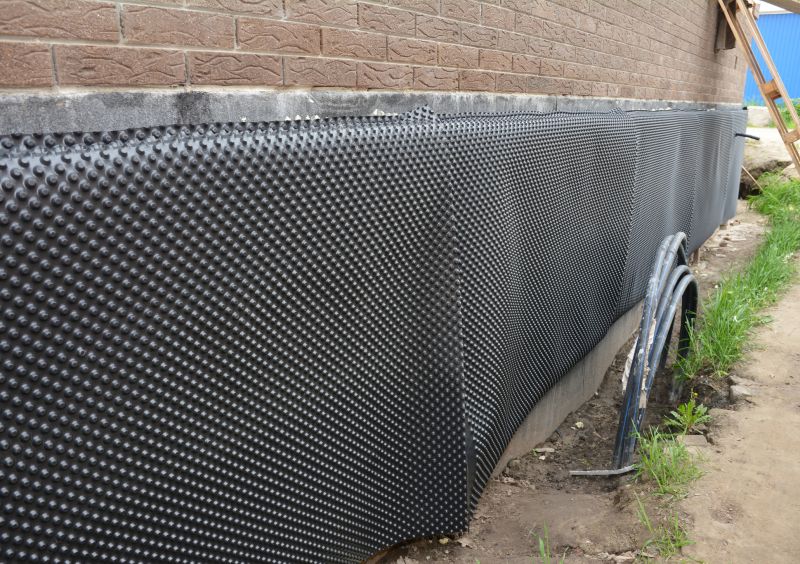
Exterior waterproofing methods focus on creating a barrier around the outside of a property to prevent water from reaching the foundation in the first place. This approach typically involves excavating around the foundation, applying waterproof coatings or membranes, and installing drainage systems to direct water away from the structure. Exterior waterproofing is considered more comprehensive because it tackles the root cause of water infiltration before it can penetrate the building. It’s often recommended for new construction projects or major renovations, where the goal is to achieve long-term protection and reduce the likelihood of future water-related problems.
Properties that commonly come up in discussions about interior vs exterior waterproofing include residential homes, especially basements and crawl spaces, as well as commercial buildings with below-grade levels. Older homes with existing water issues or those situated in flood-prone areas are typical candidates for interior waterproofing solutions, which can be implemented with minimal exterior disturbance. Conversely, new builds or properties with significant structural concerns may benefit from exterior waterproofing, as it offers a more durable, long-lasting barrier. Local service providers who specialize in these methods can evaluate each property’s unique needs, helping homeowners choose the most effective waterproofing approach for their situation.
Foundation Repair Projects - These projects often require expertise in waterproofing techniques to prevent water intrusion, making skills in interior and exterior waterproofing highly relevant for local contractors handling foundation issues.
Basement Finishing - Proper waterproofing methods are essential to ensure a dry, mold-free basement environment, and local service providers experienced in interior waterproofing can assist with finishing projects.
Retaining Wall Construction - Building retaining walls involves planning for water drainage and moisture control, which relates closely to exterior waterproofing strategies used to protect structures.
Driveway and Patio Installations - These projects often require waterproofing considerations to prevent water from seeping into foundations, with local pros able to implement both interior and exterior solutions.
Roofing and Drainage System Installations - Proper roof and drainage system setup is key to managing water flow, aligning with exterior waterproofing methods to protect the building envelope.
Waterproofing System Installations - Specialized projects focused solely on waterproofing require knowledge of both interior and exterior techniques, with local contractors offering tailored solutions for various structures.
When comparing local contractors for interior vs exterior waterproofing methods, it’s important to consider their experience with similar projects. Homeowners should inquire about the types of waterproofing work the service providers have completed in the past, especially those involving the specific approach they are interested in-whether interior or exterior. A contractor with a proven track record handling comparable projects can provide insight into their familiarity with different techniques and their ability to address unique challenges related to the property’s foundation, structure, and existing conditions.
Clear written expectations are essential when evaluating potential service providers. Homeowners should seek detailed descriptions of the waterproofing process, including the scope of work, materials used, and any preparatory steps involved. This helps ensure that both parties are aligned on what the project entails and reduces misunderstandings. Reputable local contractors typically provide transparent documentation outlining the work plan, which can serve as a useful reference when comparing options and making an informed decision.
Good communication and reputable references are also key factors to consider. Homeowners are encouraged to ask for references from previous clients who had similar waterproofing needs. Speaking with past customers can reveal insights into the contractor’s professionalism, reliability, and ability to complete projects to expectations. Additionally, responsive and clear communication during the inquiry process indicates that the service provider values transparency and customer service, which can contribute to a smoother project experience. When choosing between interior vs exterior waterproofing methods, these considerations help ensure that the selected local contractor is well-equipped to deliver quality work aligned with the homeowner’s needs.
Property owners often search for interior vs exterior waterproofing methods explained when they are planning practical projects around their homes and businesses. Local pros provide Interior and Exterior Waterproofing services for everyday jobs and straightforward project options.
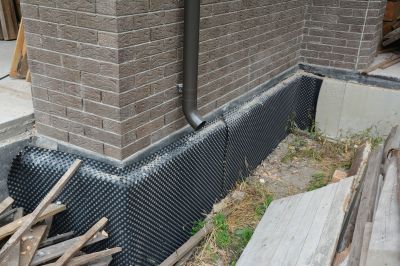
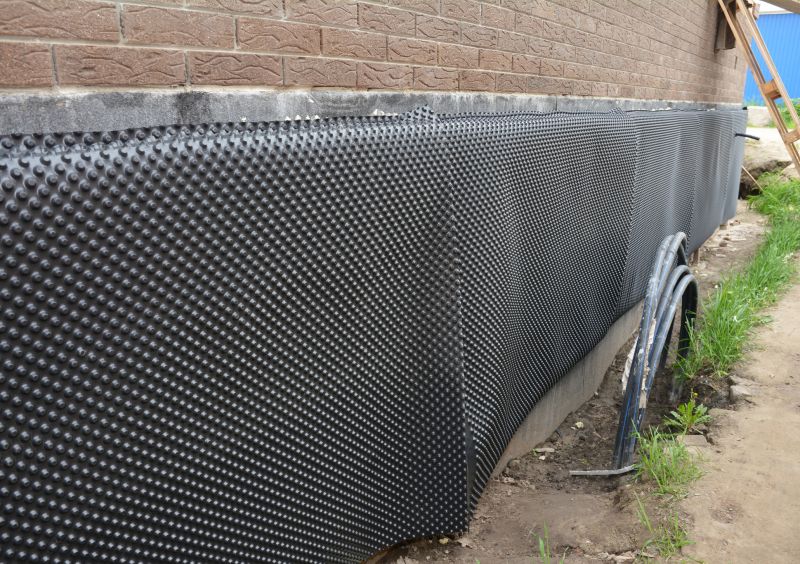
Homeowners in the area often explore interior vs exterior waterproofing methods explained to better understand how to protect their properties from water intrusion. Whether dealing with basement dampness, foundation leaks, or moisture issues in crawl spaces, many seek guidance on which approach suits their specific situation. Local contractors experienced in waterproofing can assess the property's unique needs and recommend suitable solutions, helping owners make informed decisions to prevent costly damage and maintain a dry, healthy living environment.
When considering interior versus exterior waterproofing services, property owners may want to know the advantages and limitations of each method. Interior waterproofing typically involves installing drainage systems, sealants, or membranes inside the building to manage water that has already entered. Exterior waterproofing, on the other hand, focuses on creating a barrier around the foundation before water penetrates, often involving excavation and sealing of the exterior surfaces. Local service providers can evaluate the property's condition and advise on the most effective waterproofing approach to ensure long-term protection.
What is the main difference between interior and exterior waterproofing methods? Interior waterproofing involves applying sealants or barriers inside a building to prevent water intrusion, while exterior waterproofing focuses on waterproofing the building's outer surfaces before water can reach the structure. Local contractors can recommend the most suitable approach based on the specific needs of the property.
When should interior waterproofing be considered over exterior waterproofing? Interior waterproofing is often used when exterior access is limited or when water issues originate from within the building, such as plumbing leaks or interior humidity. Local service providers can assess the site to determine the best method for effective waterproofing.
Are exterior waterproofing methods more effective than interior options? Exterior waterproofing typically provides a more comprehensive barrier against water penetration by addressing the source before water reaches the foundation. However, the best solution depends on the specific conditions of the property, which local pros can evaluate.
Can interior and exterior waterproofing be combined for better protection? Yes, combining both methods can offer enhanced waterproofing, especially in severe cases or complex structures. Local contractors can design a waterproofing plan that integrates both approaches for optimal results.
What factors influence the choice between interior and exterior waterproofing methods? Factors include the type of foundation, extent of water intrusion, accessibility of exterior surfaces, and existing damage. Consulting with local waterproofing experts can help determine the most practical and effective method for each property.
Assessing Water Entry Points - Property owners can identify areas where water may seep through walls or foundations and work with local contractors to apply interior or exterior waterproofing solutions accordingly.
Choosing the Right Waterproofing Method - Homeowners can evaluate whether interior or exterior waterproofing best suits their property's needs, with local service providers offering guidance based on specific conditions.
Preparing for Waterproofing Projects - Planning a waterproofing project involves clearing space and ensuring proper drainage, which local pros can assist with when implementing interior or exterior systems.
Maintaining Long-Term Effectiveness - Regular inspections and minor repairs can be managed with help from local contractors to ensure interior and exterior waterproofing methods continue to protect the property effectively.
If you are thinking about interior vs exterior waterproofing methods explained for a property, this guide is meant to help you understand this topic, the typical project types, and how different options might fit your plans.
When you are ready, you can use the quote form on this page to share a few details about your project. From there, local pros can review the basics and follow up with options that match what you have in mind.